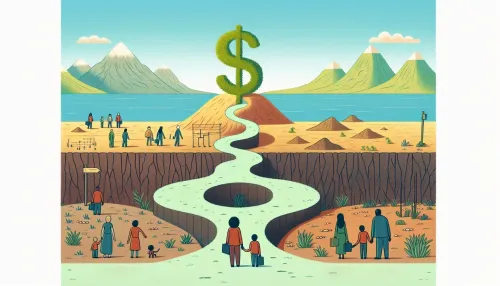
Minimizing Debt Drag: Strategies for Financial Freedom and Wealth Building


Easing Debt Burden: Roadmap to Elimination Strategies
When confronting debt, it's crucial to have a clear roadmap for its elimination. Start by assessing all outstanding debts, prioritizing high-interest ones. Create a structured payment plan, allocating as much disposable income as possible towards debt repayment while meeting minimum payments for each debt. This approach lays the foundation for systematic debt reduction, making each payment count towards your financial liberation.
How to Assess and Prioritize Your Debts
Understanding your debts in detail is the first step on this roadmap. Break down your debts by interest rate, balance, and monthly minimum payment. Tools and apps designed for debt management can be beneficial in keeping track of these details and staying on course with your repayment plan.
Related Article: Mastering the Art of Money-Saving Hacks: Creative Strategies for Building Your Emergency Fund
Setting Achievable Repayment Milestones
Setting achievable repayment milestones is crucial in maintaining motivation throughout your journey. Celebrate small victories; each debt cleared is a step closer to financial freedom. Tycoon Trail advocates for using such psychological strategies in conjunction with practical financial planning to keep individuals engaged and committed to their debt elimination goals.
Leveraging Low-Interest Options for Debt Consolidation
Consolidating multiple high-interest debts into a single low-interest loan can significantly reduce the financial strain caused by high-interest rates. Explore options such as balance transfer credit cards or personal loans with favorable terms to consolidate debts at a lower interest rate. By doing so, you can streamline payments and potentially save on interest, accelerating your journey out of debt.
Researching Consolidation Options Effectively
Research is key when considering consolidation options. Look into the fine print of offers for balance transfer cards or personal loans, paying close attention to fees, repayment terms, and the interest rate after any promotional period. Seek out competitive rates by comparing multiple options.
Success Stories of Smart Consolidation Strategies
On Tycoon Trail, examples abound of individuals who've successfully navigated their way out of high-interest debt using smart consolidation strategies. Their journeys offer valuable insights into selecting the right consolidation options that align with one's financial situation and goals.
Related Article: Harmonizing Heart and Hard Drive: The Symbiosis Between Time-Honored Saving Traditions and Smart Saving Technologies
Budgeting Techniques for Efficient Debt Repayment
Budgeting plays a pivotal role in effective debt repayment. Trim non-essential expenses and allocate the freed-up funds towards paying off debts. Adopting a zero-based budgeting approach ensures that every dollar has a designated purpose, leaving no room for excess spending. By adhering to a well-structured budget, you can expedite the debt repayment process while cultivating disciplined financial habits.
Categorizing Expenses: Needs vs. Wants
Itemize your spending to identify areas where cuts can be made or reallocations are necessary. Categorize expenses into 'needs' versus 'wants,' and be ruthless in reducing expenditures that don't contribute to your essential living or debt repayment efforts.
Related Article: The Gig Economy's Financial Frontier: Navigating Personal Finance and Investing as a Freelancer
Innovative Budgeting Methods for Debt Elimination
Tycoon Trail features success stories that highlight innovative budgeting methods participants have employed to free up funds for debt elimination. Whether it's through downsizing living arrangements, cutting back on dining out, or adopting frugal lifestyle choices, these narratives serve as inspiration for creative budget management.
Generating Additional Income Streams for Debt Payoff
Supplementing your primary income with additional streams can inject momentum into your debt payoff strategy. Consider leveraging your skills through freelance work, part-time gigs, or rental income. Embracing the sharing economy by utilizing platforms for renting out assets or offering services can provide valuable supplementary income to channel directly into debt repayment, hastening your path to financial liberation.
Related Article: Financial Freedom or Folly? Unraveling the Myth of Quick Riches in Freelancing and Investing
Exploring Freelance and Part-Time Opportunities
Think outside the box when it comes to generating extra income. Look into remote work opportunities that align with your skillset or interests. Utilize online marketplaces to sell handmade goods or resell items you no longer need.
The Impact of Supplementary Income on Debt Reduction
The stories shared on Tycoon Trail often emphasize the pivotal role that additional income streams have played in accelerating the debt payoff process. They demonstrate how even modest supplementary earnings can make a significant impact when consistently applied toward debt reduction.
Negotiating with Creditors: Maximizing Settlement Opportunities
Engage in proactive communication with creditors to explore potential debt settlement opportunities. Negotiating reduced payoff amounts or favorable repayment terms can alleviate the overall debt burden. Presenting a well-structured repayment plan backed by genuine commitment may prompt creditors to consider mutually beneficial settlement arrangements that align with your financial capabilities.
Frequently Asked Questions
The first step in eliminating debt is to assess all outstanding debts. Prioritize high-interest debts and create a structured payment plan that allocates as much disposable income as possible towards repayment while ensuring minimum payments are met for each debt.
Low-interest loans can significantly reduce financial strain by consolidating multiple high-interest debts into a single payment. This approach simplifies your finances and can save you money on interest, accelerating your journey out of debt when managed wisely.
Effective budgeting techniques include trimming non-essential expenses and adopting a zero-based budgeting approach. This ensures every dollar has a purpose, allowing you to allocate more funds towards debt repayment while fostering disciplined financial habits.
You can generate additional income by leveraging skills through freelance work, part-time jobs, or rental income. Exploring opportunities in the sharing economy and utilizing online platforms can provide valuable supplementary income to accelerate your debt payoff strategy.
To negotiate with creditors, engage in proactive communication to explore potential settlement opportunities. Presenting a well-structured repayment plan and demonstrating genuine commitment may encourage creditors to consider reducing payoff amounts or offering more favorable repayment terms.
Setting achievable repayment milestones is crucial for maintaining motivation during your debt elimination journey. Celebrating small victories, such as clearing individual debts, reinforces progress and keeps you engaged and committed to reaching your overall financial goals.
Check Out These Related Articles

The Financial Journey of Fortune Builders: Stories of Personal Finance and Investing Success

Uniting for Wealth: The Rise of Community-Driven Personal Finance Platforms

The Golden Rule of Saving: Expert Strategies to Boost Your Financial Well-being